
A SNAP Adjustment Isn’t a Raise, and Washington Benefits Are Falling Short.
Each year on October 1st, the USDA updates SNAP benefit amounts to account for inflation. This year, maximum benefits rose by about 3%, with a family of four’s maximum allotment rising to $1,023 from $994. The change in an individual household’s benefit will vary based on income, housing costs, and other deductions, but most families will see a little extra money on their EBT cards starting this month. While this adjustment is much-needed, keeping up with inflation isn’t the same as providing what families actually need.
An Inflation Stopgap
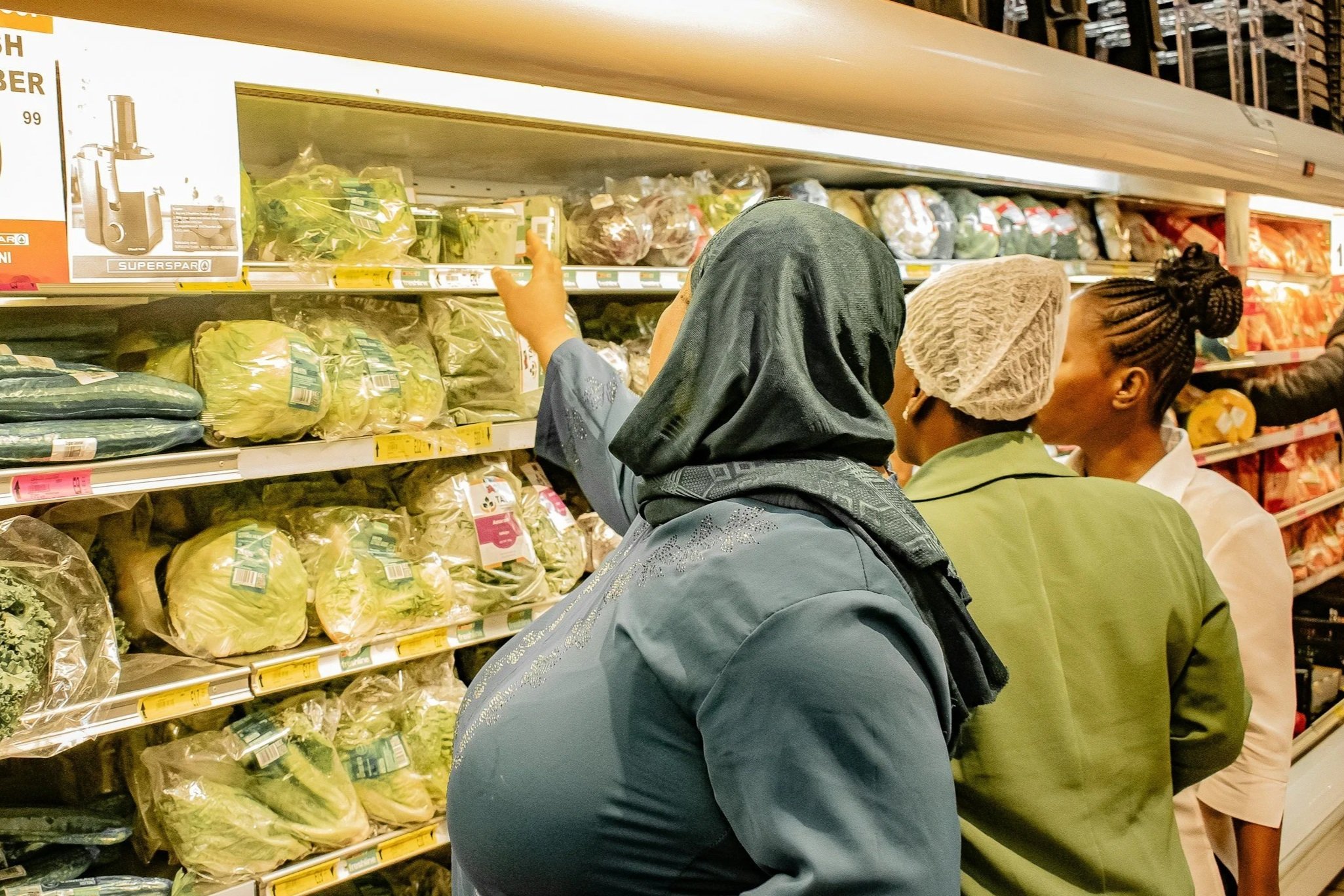
The annual October adjustment is an essential feature of SNAP, ensuring benefits keep pace with the rising cost of groceries and other necessities. But a bigger balance on an EBT card doesn’t necessarily mean that families will be able to put more food on the table. This cost-of-living correction isn’t a benefit increase - instead, it simply keeps the purchasing power of benefits stable against inflation.
SNAP Benefits Remain Insufficient for Washingtonians
Because SNAP benefit amounts are set at the federal level, their purchasing power varies widely by location. Imagine two families with identical circumstances: one living in Seattle, and the other in Arkansas. Their monthly SNAP benefit will be the same, but the groceries they are able to bring home will differ significantly.
According to data from the U.S. Department of Commerce, costs of living in Washington have been 7 to 10% higher than the national average over the past five years. Compared to the lowest cost-of-living states like Arkansas and Mississippi, Washington costs are about 20% higher. The same SNAP dollar simply doesn’t stretch as far here.
“Without SNAP, I couldn’t afford to buy food. [Because of] of increased prices, I am running out of food by the 20th of the month. Groceries & vegetables are costing more & more. I eat healthy foods, and these seem to cost more than junk foods. I’m struggling to make it through each month.”
Not only are prices higher in Washington, but the gap is widening: grocery prices in the Seattle area have risen 10% over the past three years, compared to about 6% nationwide. Washingtonians are feeling price pressure faster than much of the country, yet the SNAP benefit formula doesn’t reflect this reality.
SNAP Benefit Amounts Need a Federal Fix
Solving this problem will require action from Congress. One of the most direct paths to more equitable benefits would be to revise the equation used to calculate monthly allotments, known as the Thrifty Food Plan (TFP).
The USDA established the TFP in 1975, and it relies on federal guidance developed in 1962. Despite significant changes over the past fifty years in the ways that families shop, cook, and eat, the TFP has only been updated once since its creation. In 2021, the Biden administration amended the TFP to represent modern dietary guidelines, raising the average SNAP benefit from $4.80 to $6.20 per day. However, the TFP still assumes grocery prices are comparable across the country and doesn't account for the broader social and economic changes of the past half-century. For example, the plan was created when having a stay-at-home family member was standard, leaving time for cheaper, from-scratch cooking. Many working families, including those juggling multiple jobs or long commutes, don’t have that time today.
Annual inflation adjustments won’t move the needle on hunger, but updating the TFP to reflect modern realities and local grocery costs would.
H.R. 1 Freezes the Thrifty Food Plan
Unfortunately, Congress has moved in the opposite direction. H.R. 1, passed in July 2025, requires that the Thrifty Food Plan remain cost-neutral. Under previous law, the TFP was scheduled to be reevaluated in 2027 and 2032, which would have helped ensure that the formula used to determine SNAP benefits kept up with modern food costs, cooking practices, and dietary guidance.
With a cost-neutrality mandate in place, those reevaluations can no longer be used to strengthen benefits – meaning that SNAP dollars will lose value over time. The Congressional Budget Office projects that benefits will decline by $37 billion over the next decade as a direct result of H.R. 1’s cost neutrality mandate.
Take Action to Improve SNAP
SNAP is our nation’s most powerful tool to fight hunger, yet it is falling short of its commitment to keep nutritious food on the table of every American. Congress must protect and strengthen SNAP, including ensuring benefit amounts reflect what it actually takes to feed a family. Get involved in the fight for SNAP: share your SNAP story and contact your legislators today.